
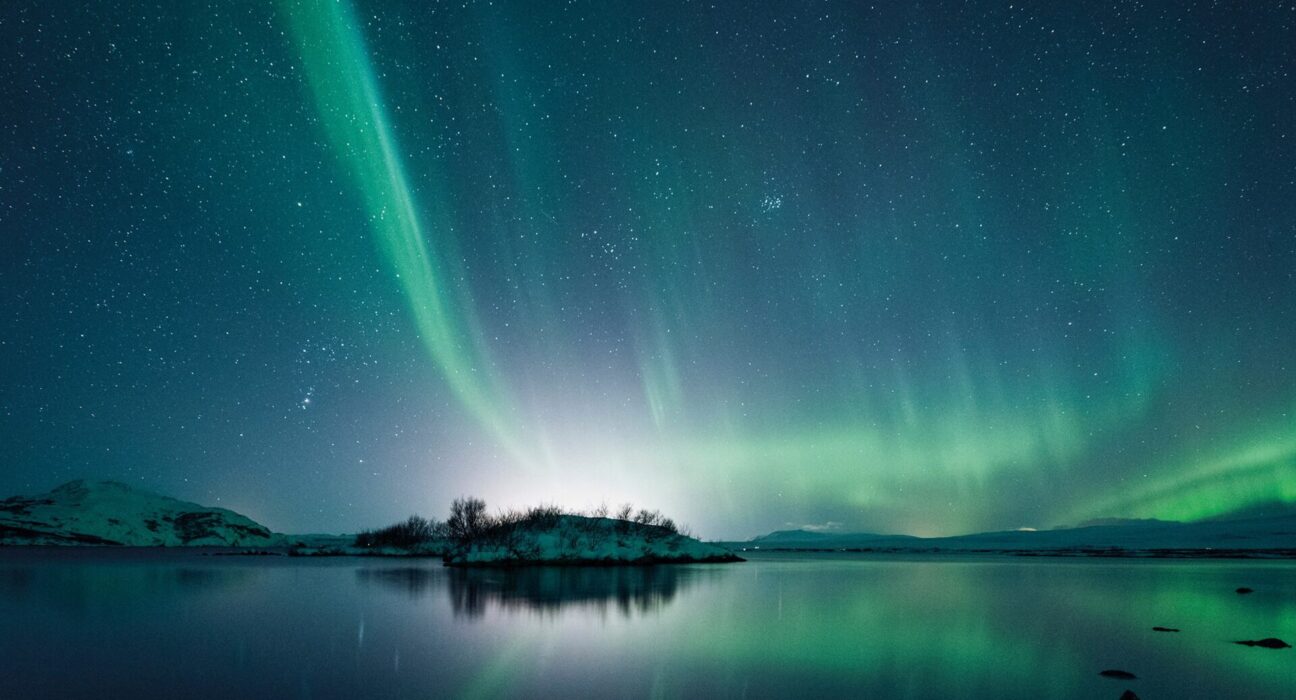
The aurora borealis is a beautiful dancing ribbon of light that has captivated people for millennia.
Despite all its beauty, this spectacular light show is quite a violent event, explained one of the guides who took us to observe this wonderful sight in sub-zero weather.
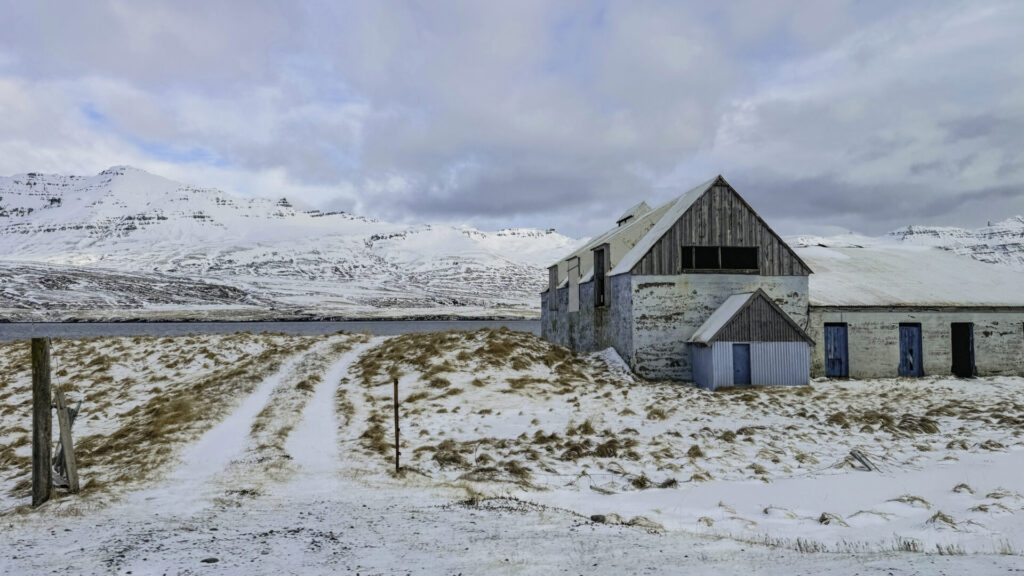
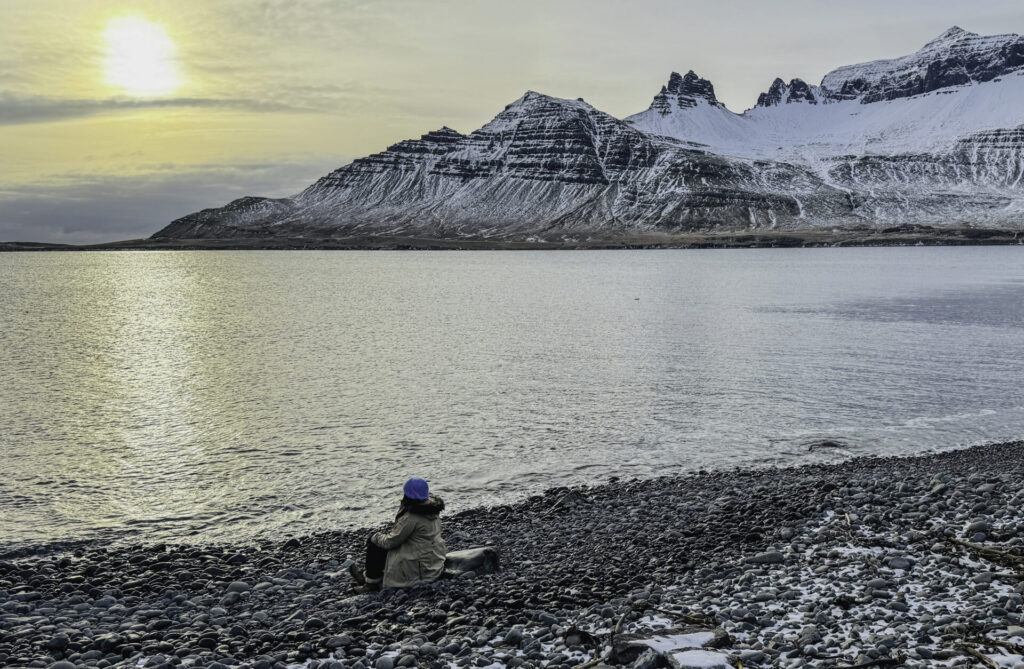
Incredibly grateful and incredibly happy to be in this Nordic country doing an art residency, which I have realized is a very safe place, and its landscape frames glaciers, mountains, and glacial rivers, being in the Atlantic Ocean.
It is wonderful to learn about these luminous trails called aurora borealis, which I am going to focus on to tell you are created when energized particles from the sun collide with the Earth’s upper atmosphere at speeds of up to 45 million mph (72 million kph), but our planet’s magnetic field protects us from the onslaught.
It can be said to be a dramatic process and is transformed into a cinematic atmospheric phenomenon that dazzles and fascinates scientists and skywatchers alike.
I can assure you that seeing the Northern Lights with your own eyes is a bucket list item for astronomy lovers and travelers alike. Fortunately, they happen frequently. We need to understand that, at any given time, the sun ejects charged particles from its corona, or upper atmosphere, creating the solar wind. When that wind hits the Earth’s ionosphere, or upper atmosphere, the aurora is born. In the northern hemisphere, the phenomenon is called the aurora borealis, while in the southern hemisphere called the aurora australis.And to our amazement we also learned that there are various colors and they explained to us: Particles are deflected towards the Earth’s poles by our planet’s magnetic field and interact with our atmosphere, depositing energy and causing the atmosphere to emit fluorescence, for this reason the bright colors of the aurora borealis are dictated by the chemical composition of the Earth’s atmosphere, the dominant colors seen in the auroras are red, a hue produced by nitrogen molecules, and green, produced by oxygen molecules.Auroras tell us various things about Earth’s upper atmosphere, including its density, composition, flow velocities, and the strength of the electrical currents flowing in the upper atmosphere. These, in turn, tell us about Earth’s magnetic field, how it extends out into space, and how it changes dynamically. All of this is important to protect the Earth and space technologies from the dangers of “space weather,” of which the aurora is a part.The best place to see the aurora borealis is any destination in the “auroral zone,” the area within about 1,550 miles (2,500 kilometers) of the North Pole, according to the Troms Geophysical Observatory in Norway. This is where auroras occur most frequently.It is a pleasure to be able to send you this material and talk about this natural phenomenon, where these beautiful auroras borealis.
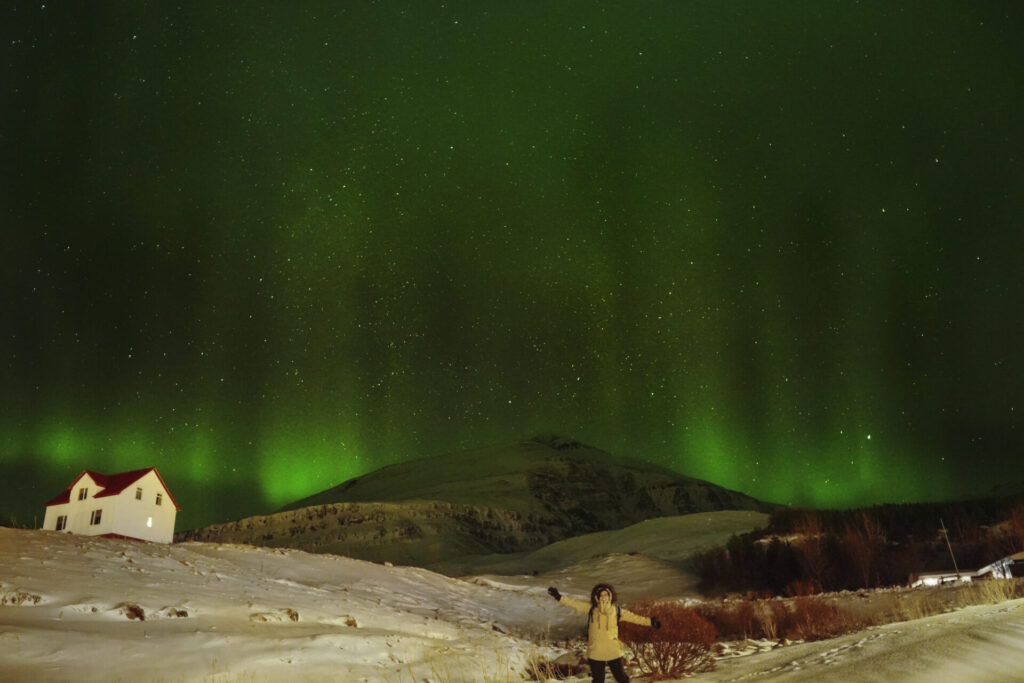
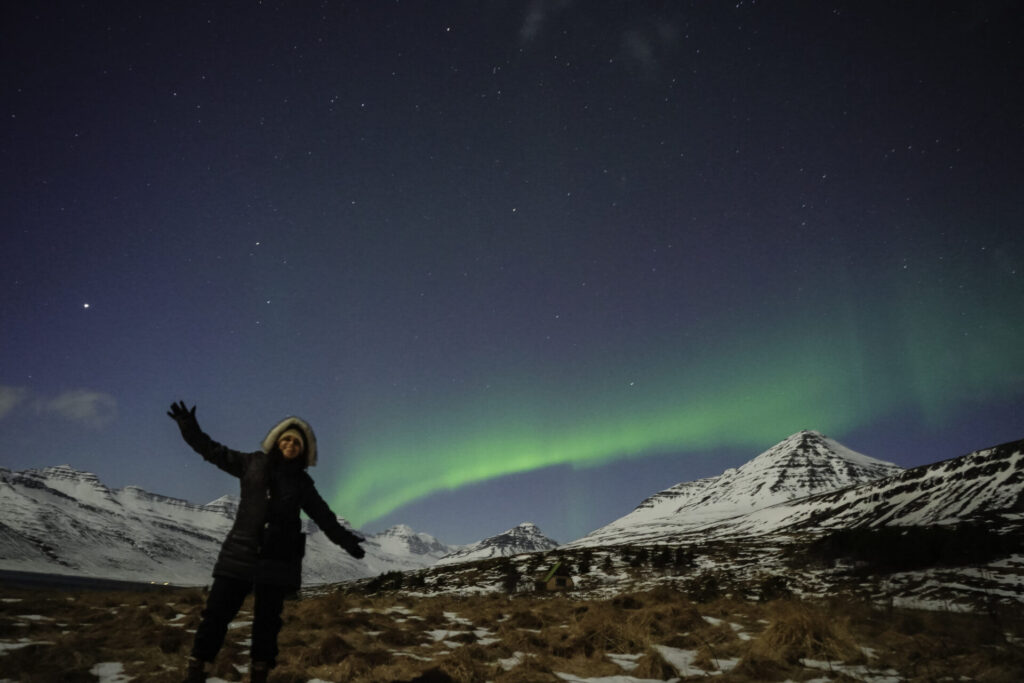
La aurora boreal, son hermosas cintas de luz danzantes que han cautivado a la gente durante milenios. A pesar de toda su belleza, este espectacular espectáculo de luces es un evento bastante violento, nos explicaba uno de los guías con el que nos llevó a observar esa maravillosa vista con un clima bajo cero.
Muy agradecida y contenta de estar en este país nórdico realizando una residencia de arte, lo cual me he percatado que es un lugar muy seguro y en su paisaje enmarca glaciares, montañas y ríos glaciales estando en el océano atlántico.
Es maravilloso conocer de estas estelas luminosas llamadas auroras boreales en que me voy a concentrar para platicarles que se crean cuando partículas energizadas del sol chocan contra la atmósfera superior de la Tierra a velocidades de hasta 45 millones de mph (72 millones de kph), pero el campo magnético de nuestro planeta nos protege del ataque. Se puede decir que es un dramático proceso y se transforma en un fenómeno atmosférico cinematográfico que deslumbra y fascina tanto a los científicos como a los observadores del cielo. Les puedo asegurar que ver la aurora boreal con tus propios ojos es un elemento de la lista de deseos tanto para los amantes de la astronomía como para los viajeros. Afortunadamente, ocurren con frecuencia. Es necesario que entendiéramos que, en cualquier momento dado, el sol expulsa partículas cargadas de su corona, o atmósfera superior, creando el viento solar.
Cuando ese viento golpea la ionosfera de la Tierra, o la atmósfera superior, nace la aurora. En el hemisferio norte, el fenómeno se llama aurora boreal mientras que en el hemisferio sur se llama aurora austral. Y a nuestro asombro conocimos también qué hay varios colores y nos explicaron: Las partículas son desviadas hacia los polos de la Tierra por el campo magnético de nuestro planeta e interactúan con nuestra atmósfera, depositando energía y haciendo que la atmósfera emita fluorescencia, por esta razón los colores brillantes de la aurora boreal están dictados por la composición química de la atmósfera terrestre, los colores dominantes que se ven en las auroras son el rojo, un tono producido por las moléculas de nitrógeno, y el verde, producido por las moléculas de oxígeno. Las auroras nos dicen muchas cosas sobre la atmósfera superior de la Tierra, incluida su
densidad, composición, velocidades de flujo y la fuerza de las corrientes eléctricas que fluyen en la atmósfera superior. Estos, a su vez, nos informan sobre el campo magnético de la Tierra, cómo se extiende hacia el espacio y cómo cambia dinámicamente. Todo esto es importante para proteger la Tierra y las tecnologías espaciales de los peligros del “clima espacial”, del cual la aurora es una parte. El mejor lugar para ver la aurora boreal es cualquier destino en la “zona auroral”, el área dentro de un radio de aproximadamente 1.550 millas (2.500 kilómetros) del Polo Norte, según el Observatorio Geofísico de Troms en Noruega. Aquí es donde se producen con más frecuencia las auroras. Es un placer poder enviarles este material y platicar sobre este fenómeno natural donde se producen con más frecuencia estas hermosas auroras boreales.