Photo: Luis Octavio Ríos. // Issue 91
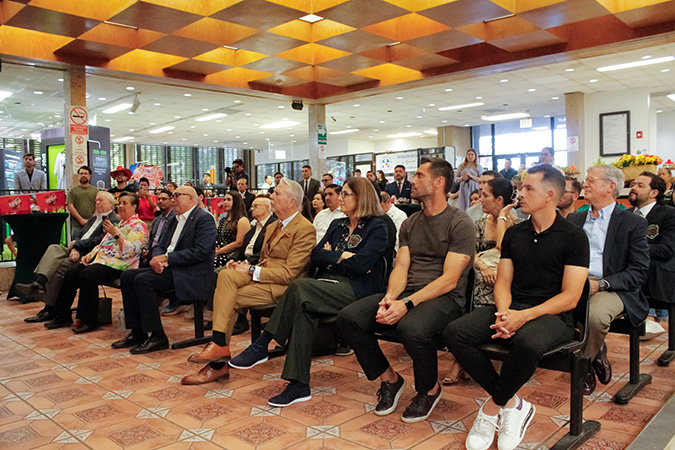
In a region where borders are part of everyday life, few things bring people together as powerfully as soccer. That idea came to life in the exhibition Frontera que Late – Pasión por el Futbol (“A Border That Beats – Passion for Soccer”), presented at the Consulate General of Mexico in El Paso, an exhibit that transformed sports into a meeting point between memory, identity, and border culture.
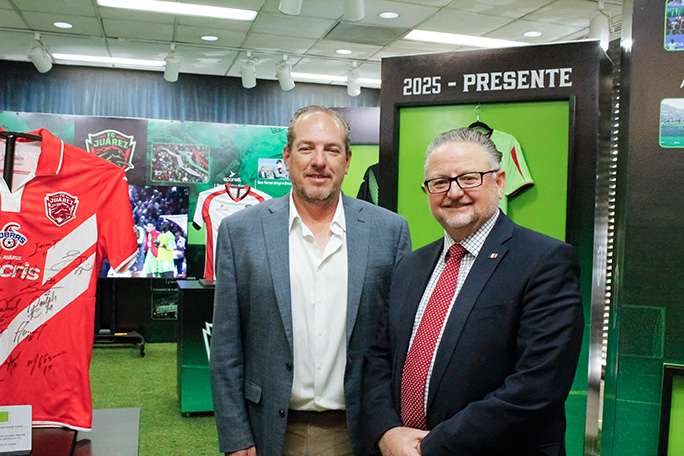
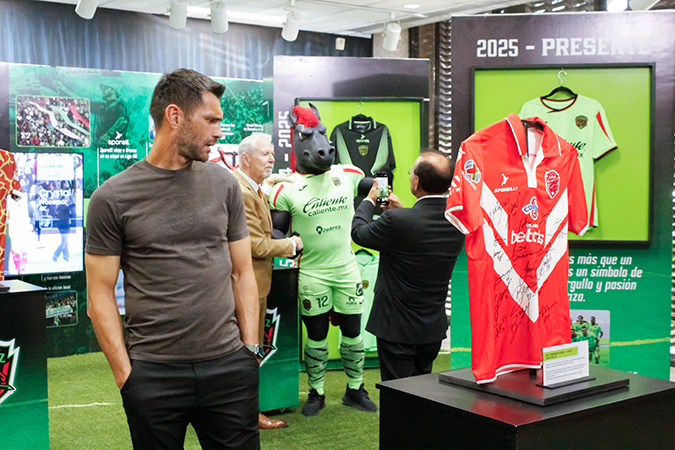
Created in collaboration with FC Juárez, the exhibition offered more than a sports retrospective; it presented an emotional portrait of the border through soccer. Historic jerseys, photographs from different seasons, and visual memories of Bravos and Bravas turned the consular space into a living archive of the relationship the region has built with the sport over the years.
Since joining Mexican professional soccer, FC Juárez has developed an identity deeply connected to the spirit of the border region. Throughout the exhibition, that narrative appeared in iconic uniforms, images from defining matches, and details that illustrated how the club has connected with fans who live between two countries, two languages, and one shared passion for the game.
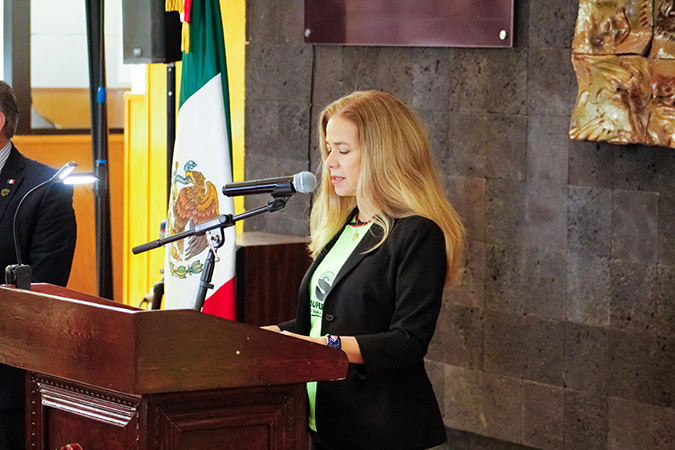
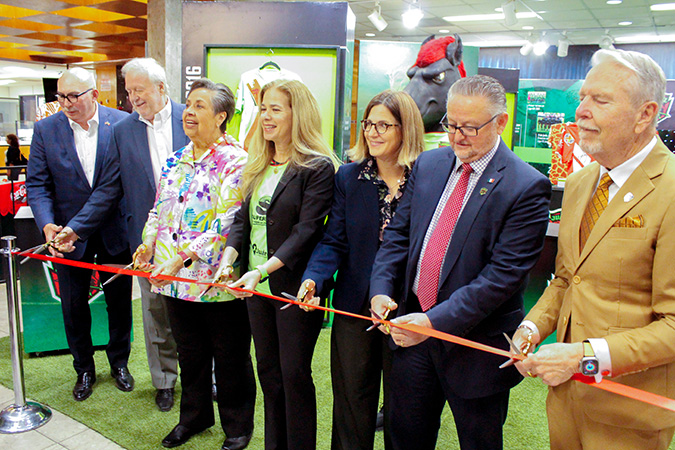
The opening ceremony included the participation of Alejandra de la Vega, club president and one of the main driving forces behind the border sports project, as well as former players Leandro Carrijo and Eder Borelli, figures closely tied to the club’s early years. Their presence brought a sense of nostalgia for fans who recognize them as part of an important chapter in the team’s consolidation.
One of the exhibition’s most compelling aspects was the visibility given to Bravas, the women’s team. Rather than occupying a secondary role, the women’s squad was presented as an essential part of the club’s recent history and of the growth of women’s soccer in northern Mexico.
The exhibition also arrived at a particularly symbolic moment leading up to the 2026 FIFA World Cup, a tournament that will once again place attention on border cities and on the way soccer can serve as a common language between different cultures.
Beyond wins and statistics, Frontera que Late captured something difficult to explain outside this region: the way soccer accompanies the daily lives of thousands of people living between Ciudad Juárez and El Paso. Families crossing the border to attend matches, fans finding a sense of belonging in the club’s colors, and young people growing up watching the team become part of the city’s identity.
In that sense, the exhibition was not only about soccer. It was about community, collective memory, and a border region that, despite its differences, continues finding ways to beat in unison.
The exhibition will remain open to the public with free admission through June 17, from 8:00 a.m. to 5:00 p.m., Monday through Friday.
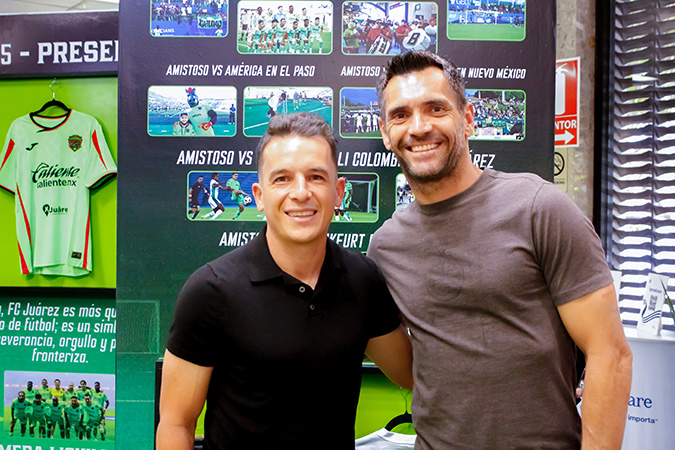
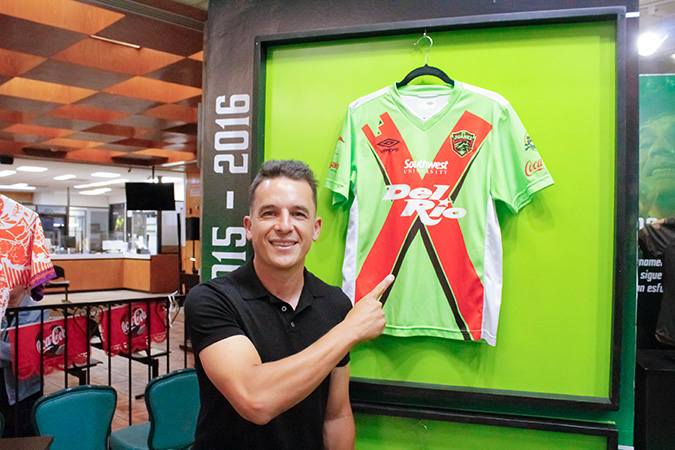
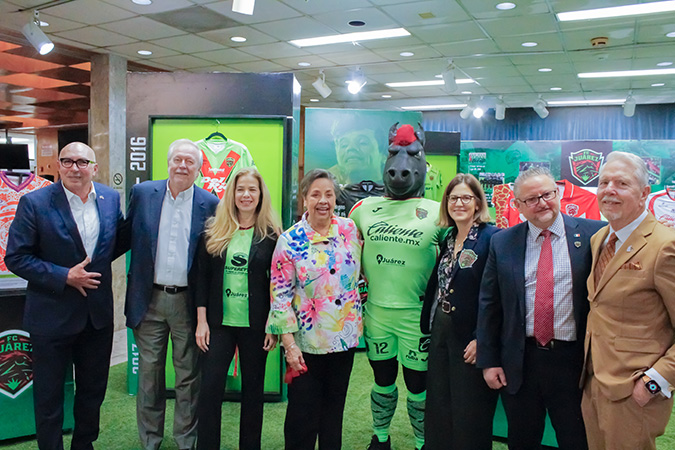
Photo: Gabriela Valdez.
En una región donde las fronteras forman parte de la vida cotidiana, pocas cosas logran unir tanto como el futbol. Esa idea quedó plasmada en la exposición Frontera que Late – Pasión por el Futbol, presentada en el Consulado General de México en El Paso, una muestra que convirtió al deporte en punto de encuentro entre memoria, identidad y cultura fronteriza.
La muestra, realizada en colaboración con FC Juárez, propuso algo más que una revisión deportiva, construir un retrato emocional de la frontera a través del futbol. Jerseys históricos, fotografías de distintas temporadas y recuerdos visuales de Bravos y Bravas transformaron el espacio consular en una especie de archivo vivo sobre la relación que la región ha construido con este deporte en los últimos años.
Desde su llegada al futbol mexicano, FC Juárez ha desarrollado una identidad profundamente ligada al carácter fronterizo. En la exposición, esa narrativa apareció reflejada en uniformes emblemáticos, imágenes de partidos que marcaron distintas etapas del club y detalles que mostraban cómo el equipo ha logrado conectar con una afición que vive entre dos países, dos idiomas y una misma pasión deportiva.
La inauguración contó con la participación de Alejandra de la Vega, presidenta del club y una de las principales impulsoras del proyecto deportivo fronterizo, además de los exjugadores Leandro Carrijo y Eder Borelli, figuras que forman parte de los primeros años de la institución. La presencia de ambos despertó recuerdos entre aficionados que reconocen en ellos una etapa importante en la consolidación del equipo juarense.
Uno de los elementos más interesantes de la exposición fue el protagonismo que también tuvieron las Bravas. Lejos de ocupar un lugar secundario, el equipo femenil apareció como parte esencial de la historia reciente del club y del crecimiento del futbol femenil en la región norte del país.
La exposición llegó además en un momento particularmente simbólico rumbo al Mundial 2026, un torneo que inevitablemente vuelve la mirada hacia las ciudades fronterizas y hacia la manera en que el futbol puede convertirse en un lenguaje común entre culturas distintas.
Más allá de los resultados deportivos, Frontera que Late logró capturar algo difícil de explicar fuera de esta región; la forma en que el futbol acompaña la vida diaria de miles de personas que habitan entre Ciudad Juárez y El Paso. Familias que cruzan la frontera para asistir a un partido, aficionados que encuentran en los colores del club un sentido de pertenencia y jóvenes que crecieron viendo al equipo convertirse en parte de la identidad local.
En ese sentido, la exposición no habló solamente de futbol. Habló de comunidad, de memoria colectiva y de una frontera que, incluso en sus diferencias, sigue encontrando maneras de latir al mismo ritmo. Estará abierta al publico de manera gratuita hasta el día17 de junio en un horario de 8:00 a.m a 5:00 p.m. de lunes a viernes